
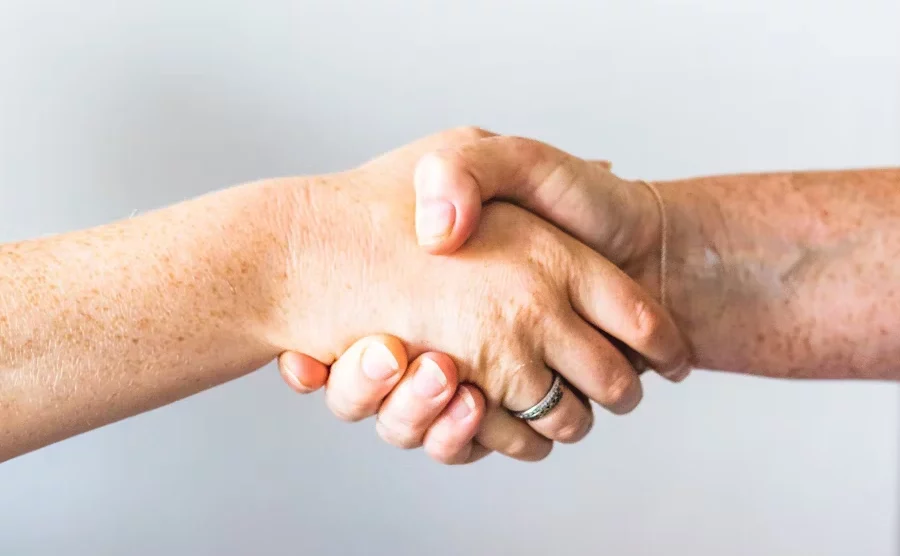
The importance of having support from those around you if you have lipedema:
When should you seek treatment?
Lipedema is a chronic condition that primarily affects women, characterized by abnormal fat accumulation in the legs and arms, often accompanied by pain and sensitivity.
Living with lipedema can be a daily challenge, impacting not only physical well-being but also psychological well-being. In this context, support from family and friends plays a crucial role.
But when should someone with lipedema seek specialized care? This article explores these essential aspects, emphasizing the importance of family and friend support, while guiding readers toward professional solutions such as those offered by the Lipedema Clinic in Paris.
What is lipedema and why is support essential?
Lipedema, often mistaken for simple overweight or lymphedema, is a disease that progresses in stages and can lead to complications if left untreated. Symptoms include limb disproportion, pain when touched, and persistent fatigue. According to medical studies, this condition affects up to 11% of women, but remains underdiagnosed.
Support from friends and family is vital for several reasons:
- Emotional support : Lipedema can lead to low self-esteem and anxiety disorders. A spouse, friend, or family member can offer a sympathetic ear, helping to overcome isolation.
- Practical everyday help : Wearing compression garments, following an anti-inflammatory diet, or engaging in appropriate physical activity requires motivation. Family and friends can encourage these habits, for example by participating in manual lymphatic drainage sessions or adapting family meals.
- Encouragement for diagnosis and treatment : Often, people with the condition minimize their symptoms. A loved one can encourage them to consult a specialist, thus preventing the disease from worsening.
At our Lipedema Clinic, led by Dr. Nicolas Zwillinger, we take a holistic approach that includes not only medical treatments but also advice on involving family and friends to promote optimal recovery.
When should you seek treatment for lipedema? Signs you shouldn't ignore
It is crucial to seek treatment at the first signs to prevent lipedema from progressing to more advanced stages, where mobility may be impaired. Here are the key moments when a consultation is necessary:
1. Appearance of the first symptoms
If you notice symmetrical fat accumulation in your legs or arms, without swelling of the feet (unlike lymphedema), accompanied by pain or easy bruising, it's time to take action. Early diagnosis through clinical examination and additional tests (such as Doppler ultrasound or MRI) can change the course of the disease.
2. Impact on quality of life
When lipedema interferes with your daily activities—difficulty walking, chronic fatigue, or aesthetic discomfort—it is time to seek treatment. Friends and family can play a role by observing these changes and encouraging a visit to the doctor.
3. After pregnancy or hormonal changes
Lipedema is often triggered or aggravated by hormonal fluctuations, such as during pregnancy or menopause. If symptoms worsen, seek prompt medical attention for conservative treatments such as compression or lymphatic drainage.
4. In case of complications
If persistent edema or infections occur, surgery may be necessary. Advanced techniques such as WAL (water-assisted liposuction), TAL, or VASER liposuction, offered at the Lipedema Clinic, can reduce abnormal fat and improve comfort.
Seeking treatment should be proactive: don't wait until the pain becomes unbearable. An initial self-diagnosis can help, but only a professional such as Dr. Nicolas Zwillinger can confirm and personalize a treatment plan.
How friends and family can help with finding care
The support network is not just a passive source of support; it can actively contribute to the search for care:
- Searching for information : Together, explore reliable resources on lipedema to better understand the condition.
- Support during consultations : Bringing a loved one to an appointment can help you ask the right questions and remember the doctor's advice.
- Post-treatment follow-up : After liposuction or conservative treatment, family and friends can assist with compression, Maderotherapy, or physical activity, optimizing results.
At the Lipedema Clinic, located at 12 bis rue Beaujon in Paris (8th arrondissement), the team encourages the involvement of family and friends for successful post-operative follow-up, including nutritional and exercise advice.
Collective support to live again without lipedema
Having the support of those around you transforms the management of lipedema into a collective experience, strengthening resilience and accelerating the search for care. If you or a loved one is affected, don't hesitate to take early action to obtain an accurate diagnosis and appropriate treatment.
At the Lipedema Clinic, we offer comprehensive care, from diagnosis to recovery, in an elegant and confidential setting.