
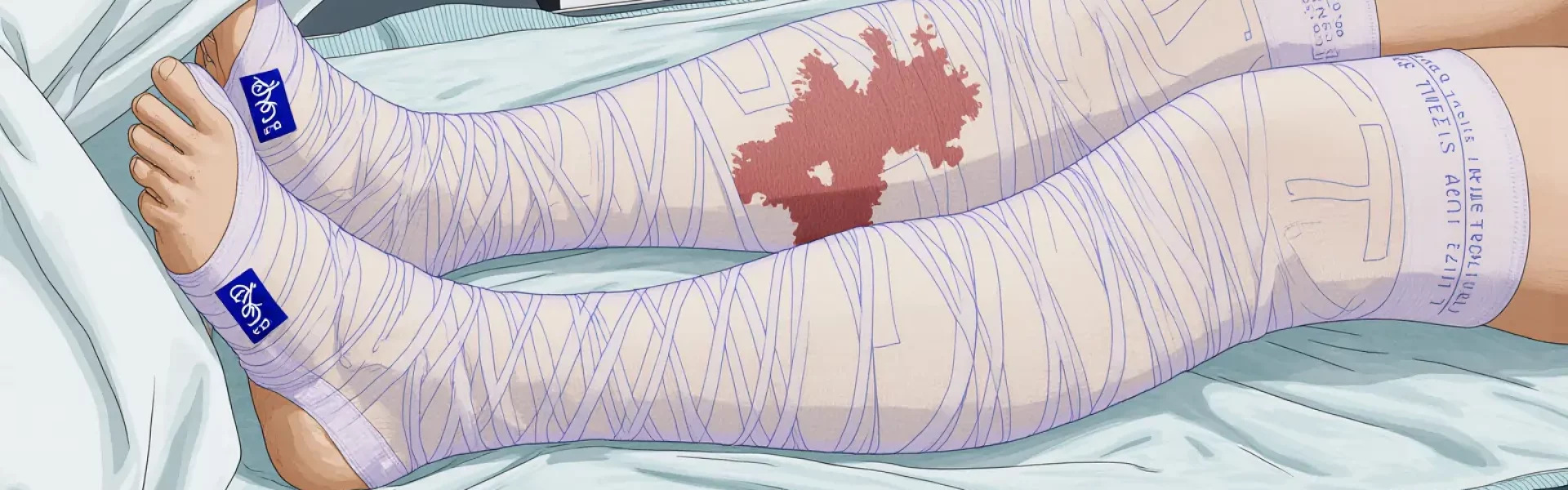
How to properly manage discharge after surgery?

How to properly manage
discharge after surgery?


Postoperative discharge is common. It can last between 3 and 5 days depending on the number of incisions made. Where does it come from?

How can you manage these leaks on a daily basis once you get home?

Why is there discharge after the operation?

Lipoedema surgery requires small incisions to be made in order to insert the liposuction cannulas. At the end of the operation, Dr. Nicolas Zwillinger does not close these incisions. 


This allows for better wound healing. The serous fluid present in the body will drain from these small incisions. The infiltration fluid, a mixture of saline solution, anesthetic liquid, and blood, may drain for about four days after the operation.

How often should you change your bandages?

The discharge is continuous or intermittent but relatively light. It is mainly serohemorrhagic or even just serous. On the first evening and the day after the operation, the discharge may contain more blood, but overall it will stop on its own after three or four days. You should change your dressings as soon as you notice that they are stained with significant discharge, and only in this case. 


You should therefore change the dressings two to three times a day at most, and perhaps not all of them at once.

It is very important to clean your legs thoroughly every time you change the dressings.

How to change bandages?

The incisions are protected by sterile dry compresses covered with adhesive bandages. These bandages are held in place by adhesive tape and compression bandages. The bandages must be changed as soon as they become stained or dirty. Simply replace them with new sterile dry compresses and secure them with adhesive bandages. You do not need to wash your legs every time you change the bandages. However, you must clean the area thoroughly with a disinfectant or saline solution. Dry thoroughly before replacing the compresses and adhesive bandages. Once the bandage is in place, remember to put the stockings and compression bandages back on.


You are allowed to shower with your legs uncovered, removing all dressings. Once you are thoroughly washed and dried, you can reapply your dressings yourself if you feel able to do so, or ask a home care nurse to help you. In this case, you will need tocontact a nurse(via the internet or the list available at your local pharmacy) before the operation to arrange for them to visit your home regularly to provide care.


Please note: to avoid staining mattresses, car seats, or train seats, use a mattress protector.

Facebook
LinkedIn
WhatsApp

Leave a comment

Your email address will not be published. Required fields are marked with *