
Relieving the symptoms
of lipoedema: the effectiveness of lymphatic drainage
Lipoedema is a chronic disease of the adipose tissue that mainly affects women.
It is characterized by abnormal fat accumulation in certain parts of the body, particularly the legs, arms, thighs, and buttocks, which often leads to a distorted body shape.
In addition to aesthetic concerns, lipedema can also cause pain, increased skin sensitivity, and reduced mobility. Fortunately, manual lymphatic drainage (MLD) and the Renata França method can offer valuable benefits for people with lipedema.
What is manual lymphatic drainage (MLD) and the Renata França method?
DLM is a gentle, rhythmic massage technique that aims to stimulate lymphatic circulation and promote the elimination of toxins and waste from the body. It is performed by applying precise, gentle movements to the lymph nodes and lymphatic vessels, in the direction of lymphatic circulation.
DLM can be performed by a specially trained healthcare professional, such as a massage therapist or alternative medicine practitioner.
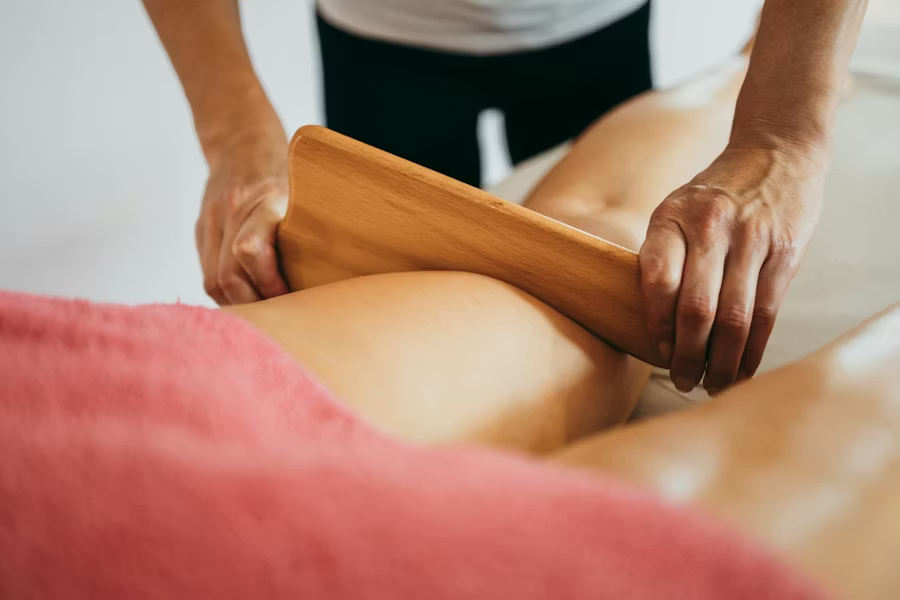
The Renata França method, meanwhile, is a specific massage technique developed by renowned Brazilian beautician Renata França. It combines lymphatic drainage movements with muscle stretching and sculpting techniques to improve lymphatic circulation and tackle water retention and cellulite.
How can DLM and the Renata França method help people with lipoedema?
DLM and the Renata França method can offer several benefits to people with lipedema. Here are a few examples:
Reduction of inflammation: Lipedema is often associated with inflammation of the adipose tissue, which can cause pain and swelling in the limbs. MLD and the Renata França method can help reduce this inflammation by stimulating lymphatic circulation and eliminating toxins and waste products that contribute to inflammation.
Pain relief: People with lipoedema may experience pain in the affected limbs due to the pressure exerted by the accumulated fat on the tissues and nerves. Lymphatic drainage can relieve this pain by promoting blood and lymphatic circulation, which can help reduce pressure on tissues and nerves, thereby relieving the pain associated with lipoedema.
Improved mobility: Lipoedema can lead to reduced mobility due to limb deformity and tissue stiffness. DLM and the Renata França method can help improve mobility by reducing inflammation, promoting waste elimination, and softening tissues through massage and stretching movements. Improved mobility can enable people with lipoedema to regain a better quality of life and participate in daily activities with greater comfort.
Improved skin appearance: Lipedema can cause unwanted cosmetic changes, such as skin irregularities, cellulite, and dimpling. Lymphatic drainage can help improve the appearance of the skin by promoting lymphatic circulation and helping to eliminate toxins and waste products that can contribute to these skin problems.
Stress management: Living with a chronic condition such as lipoedema can be a source of stress and anxiety. DLM is known for its relaxing and soothing properties, which can help reduce stress and promote deep relaxation. Stress management can help improve the overall quality of life for people with lipoedema by reducing the harmful effects of stress on physical and mental health.
The choice between DLM and the Renata França method will depend on the needs and preferences of each person with lipoedema. It is essential to consult a qualified healthcare professional to assess your medical condition and recommend the most appropriate method for you. It may also be beneficial to discuss the benefits, risks, and costs associated with each method in order to make an informed decision.
Adjust the frequency of lymphatic drainage according to the severity of lipedema.
The frequency of lymphatic drainage treatments may vary depending on the individual needs of each person with lipedema. In general, it is recommended to consult a qualified professional to determine the optimal frequency based on the severity of the lipedema, the body's response to treatment, and individual tolerance.
As a general rule, for people with lipoedema, it is recommended to start with MLD or Renata França method sessions gradually, increasing the frequency progressively depending on the body's response. Some people may benefit from weekly sessions, while others may require monthly or bi-monthly sessions. It is important to follow the recommendations of a qualified healthcare professional to achieve the best results.
Complementary approaches: lymphatic drainage in the treatment of lipedema
For people with lipoedema who are considering surgery, such as liposuction or other fat reduction procedures, lymphatic drainage may also be recommended as a pre- and post-operative approach.
Before surgery, DLM or the Renata França technique can be used to prepare the lymphatic tissue by reducing inflammation and improving lymphatic circulation. This can help minimize the risk of post-operative complications and promote faster recovery.
After surgery, lymphatic drainage can be used to help reduce swelling, promote healing, and speed up recovery. It is important to follow your surgeon's or healthcare provider's recommendations to determine the appropriate frequency and duration of lymphatic drainage after surgery.
It is important to note that DLM and Renata França's technique are not medical treatments for lipoedema, but can be used as complementary approaches to relieve certain symptoms and improve the quality of life of those affected. It is always recommended to consult a qualified healthcare professional for proper diagnosis and treatment of lipoedema.
Please note:
Manual lymphatic drainage (MLD) and the Renata França method can be beneficial for people with lipoedema by promoting lymphatic circulation, reducing inflammation, relieving pain, improving mobility, and helping to manage stress.
The frequency of drainage and pre- and post-operative recommendations should be tailored to each person's individual needs and supervised by a qualified healthcare professional.
If you have lipedema, make an appointment to discuss these options and determine if they may be appropriate for you.