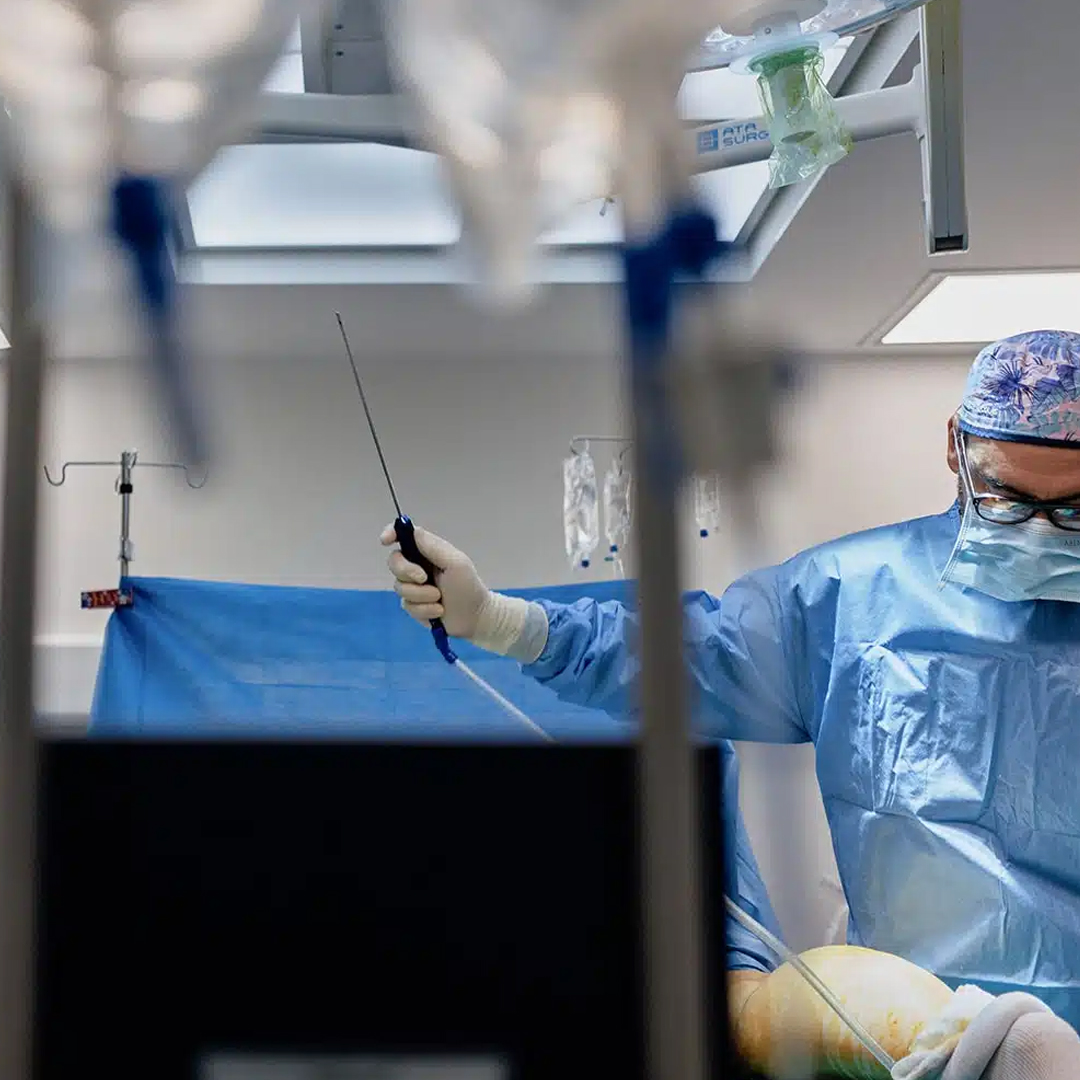


liposuction technique

What liposuction techniques are used to treat lipedema
?

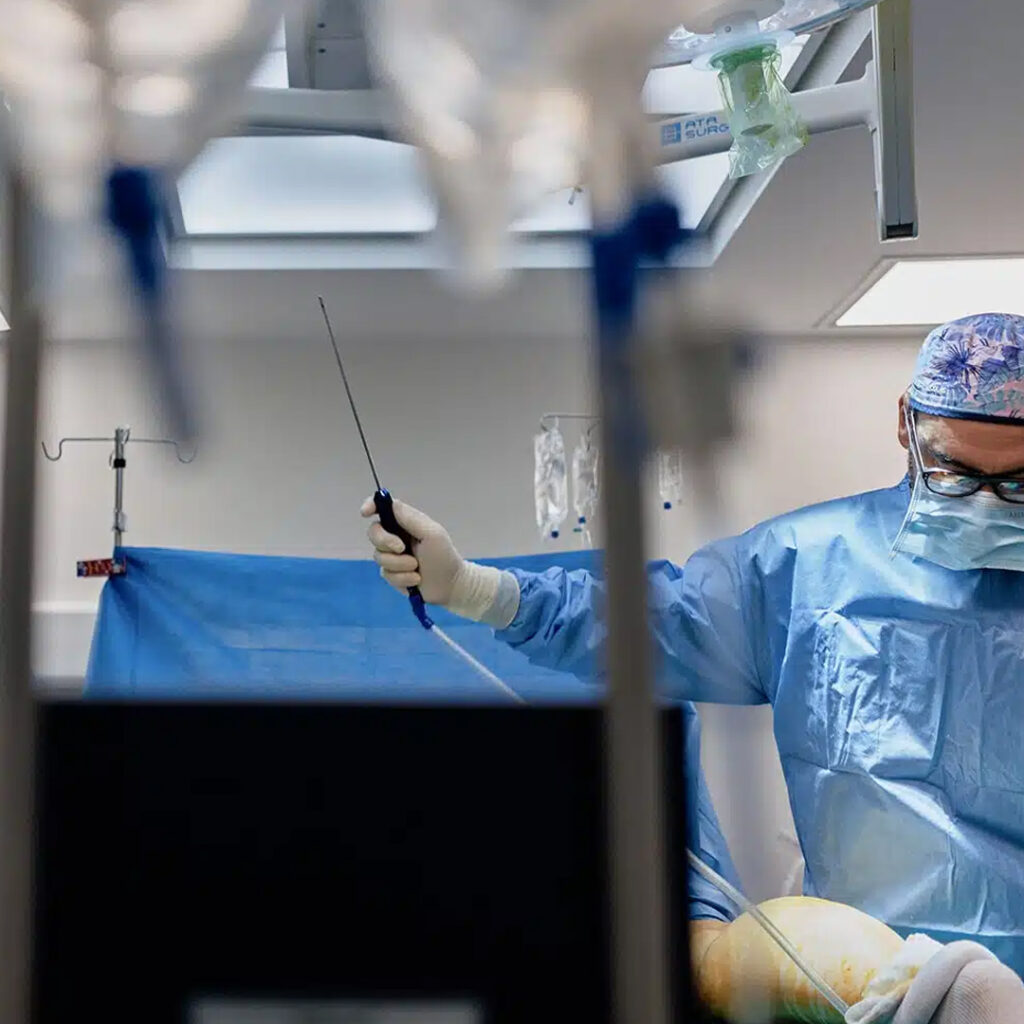
At La Clinique du Lipœdème, surgical treatment is based on gentle, circular, and targeted liposuction techniques specifically designed to treat painful, inflammatory, and resistant fat, which is characteristic of lipedema.


Three main liposuction methods are currently used to treat this condition. 

They are all based on the principle of tumescent liposuction, which involves injecting a solution into the tissue to provide local anesthesia, soften the fat, and limit bleeding. Each method differs in the energy used to facilitate the removal of fat cells.

History and advantages of the three liposuction techniques used for lipedema

Tumescent liposuction (TAL) — the founding technique

Who invented it and when?
The modern tumescent technique was developed and popularized by Dr. Jeffrey A. Klein in the 1980s (description and first publications from 1985–1987). It has profoundly changed the practice because it allows liposuction to be performed under local anesthesia with a greatly reduced risk of bleeding.


Principle and advantages
TAL involves injecting a large volume of a highly diluted solution (anesthetic + adrenaline) into the fatty tissue before suctioning. This tumescence:

  • provides local anesthesia and reduces bleeding,

  • separates and softens grease for precise suction,

  • is a robust, reproducible method that has been proven over several decades.
    It is often the method of choice as a first resort, especially when the goal is to achieve a uniform result while preserving nerves and vessels. 

Water-Assisted Liposuction (WAL) — main focus requested

Who developed it and when?
WAL (or water-assisted liposuction) became commercially popular with the arrival of the "Body-Jet" systems developed by the German company Human Med AG and distributed from the 2000s onwards. The principle has been refined and clinically evaluated since the 2000s–2010s. Human Med AG


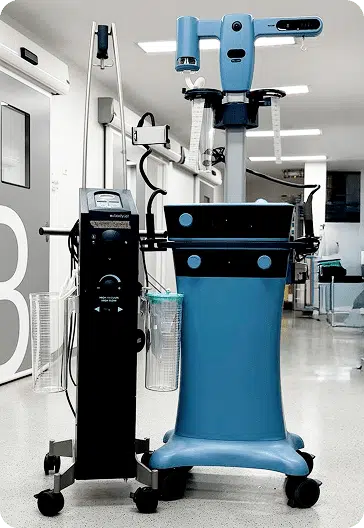
principle WAL combines tumescent infiltration with a pulsating water jet that gently "loosens" fat cells while simultaneously suctioning them out. The water jet facilitates loosening without mechanically forcing the tissues.

Documented benefits (particularly relevant for lipedema)


  • Less traumatic method for tissue: hydraulic force allows for gentler detachment, reducing the impact on surrounding connective tissue, nerves, and vessels. Several studies and case series report less postoperative inflammation and fewer hematomas. Human Med AG+1

  • Preservation of lymphatic structures: Histological and immunohistochemical analyses suggest that WAL, when used correctly, can preserve lymphatic vessels—a crucial point in the treatment of lipedema, where lymphatic preservation limits the risk of aggravating secondary edema. (Historical studies by Stutz and clinical evaluations/case series). physiopod.co.uk+1

  • Fat grafting (quality of the fat extracted): this technique often better preserves the viability of the extracted adipocytes, which can be an advantage if fat is to be recovered for grafts. jenevi.it

  • Operating comfort and recovery: many centers report smoother procedures for surgeons and sometimes faster recovery for patients (less pain/bruising), which is important for an often highly sensitive patient population such as those with lipedema. Long-term studies show favorable clinical results in terms of symptom reduction. PubMed+1

Limitations/points to consider

  • Long-term comparative data between WAL and other methods remain limited: several recent studies call for standardized trials to directly compare techniques. atm.amegroups.org

  • Depending on tissue fibrosis (advanced stage of lipedema), certain highly fibrous areas may be more difficult to treat with WAL alone; this is why customizing the choice of technique is essential. ScienceDirect

Key points about WAL:
For lipedema, WAL is now considered a tissue-sparing technique that is particularly suitable when the aim is to minimize trauma (preserve lymphatics, reduce inflammation and hematomas) and, where appropriate, recover good-quality fat for grafting. This is why we emphasize WAL in our practice when preoperative analysis indicates its relevance. Human Med AG+1


VASER / ultrasonic liposuction — history and current role

Origin and development
The first approaches to using ultrasound to facilitate liposuction date back to the late 1980s and early 1990s (work by Scuderi, Zocchi, etc.). The VASER (Vibration Amplification of Sound Energy at Resonance) brand and technology are associated with devices from Sound Surgical Technologies; safer and more selective generations of devices were introduced in the early 2000s (and clinical popularization dates back to 2000–2010). In addition, surgeons such as Dr. Alfredo Hoyos have popularized high-definition liposculpture techniques using VASER. eMedicine Medscape+2Plastic Surgery Key+2


Principle and advantages

  • VASER uses ultrasonic sonodissection to emulsify fat (make it more fluid) before suction, which facilitates extraction in fibrous or previously treated areas.

  • Selectivity: modern parameters aim to target fat while minimizing damage to connective tissue, blood vessels, and nerves.

  • Fine modeling: particularly useful when very precise modeling is required (fibrous areas, touch-ups, liposculpture for definition).

  • Recovery: Some surgeons report faster recovery times and better aesthetic results in difficult areas. vaser.com+1

Limits

  • The use of ultrasonic energy requires specific expertise to avoid complications (overheating, necrosis if poorly adjusted). Modern devices and protocols have significantly improved the safety profile compared to earlier generations.

Which technique should you choose?

There is no universal “best” technique. All three—TAL, WAL, and VASER—are effective when properly indicated. The choice depends solely on clinical analysis and detailed knowledge of lipedema.


The surgeon evaluates, in particular:

  • Fat density: more or less fibrous, compact, painful

  • The location of the clusters: knees, thighs, ankles... each area has its own specific characteristics.

  • Sensitivity and vascularization: must be preserved as much as possible

  • Surgical history: particularly in cases of previous liposuction

In some cases, several techniques may be combined during the same procedure to optimize results and preserve tissue.

This level of customization is essential for:

  • reduce pain in the long term,

  • improve mobility,

  • slim down your legs naturally,

  • limit the functional impact of lipedema on daily life.

It is this combination of surgical precision, attentive listening, and clinical expertise that guides every treatment at La Clinique du Lipœdème.

Expertise dedicated to lipedema

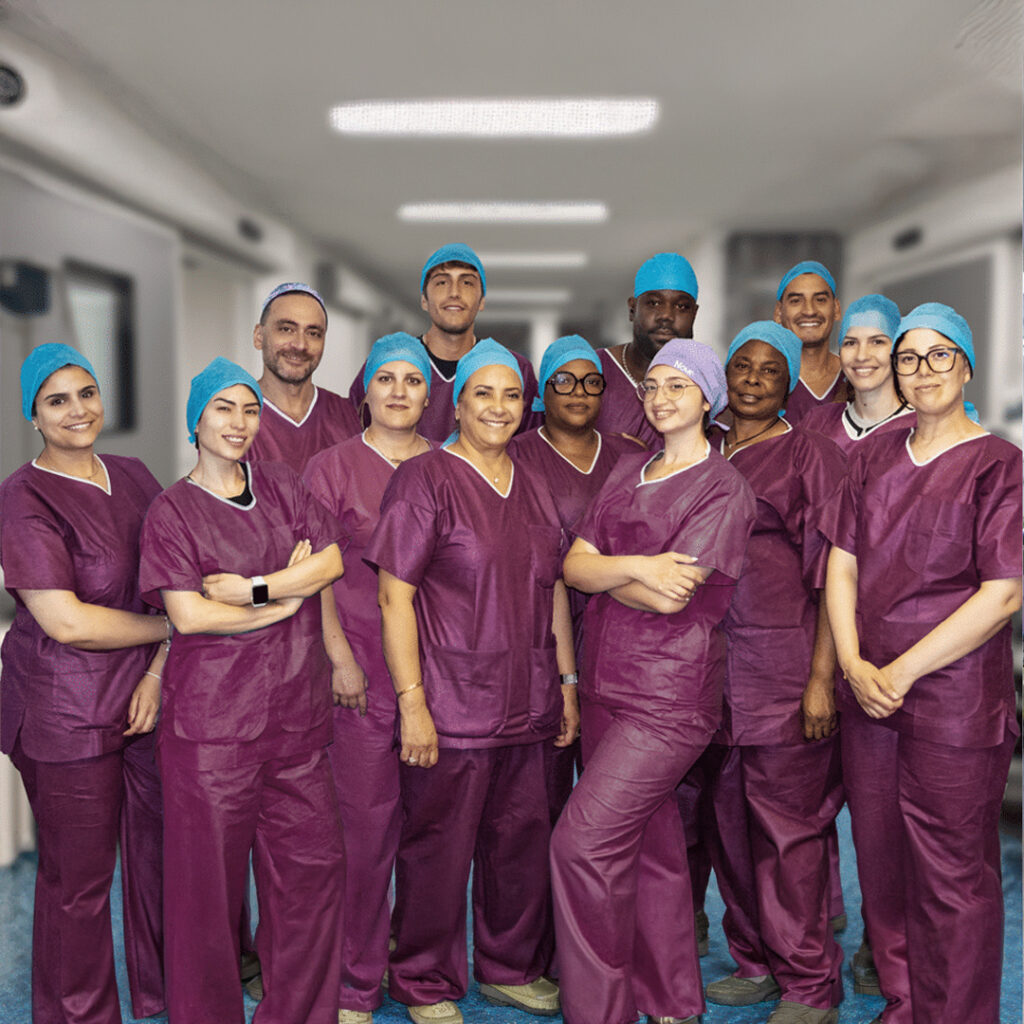
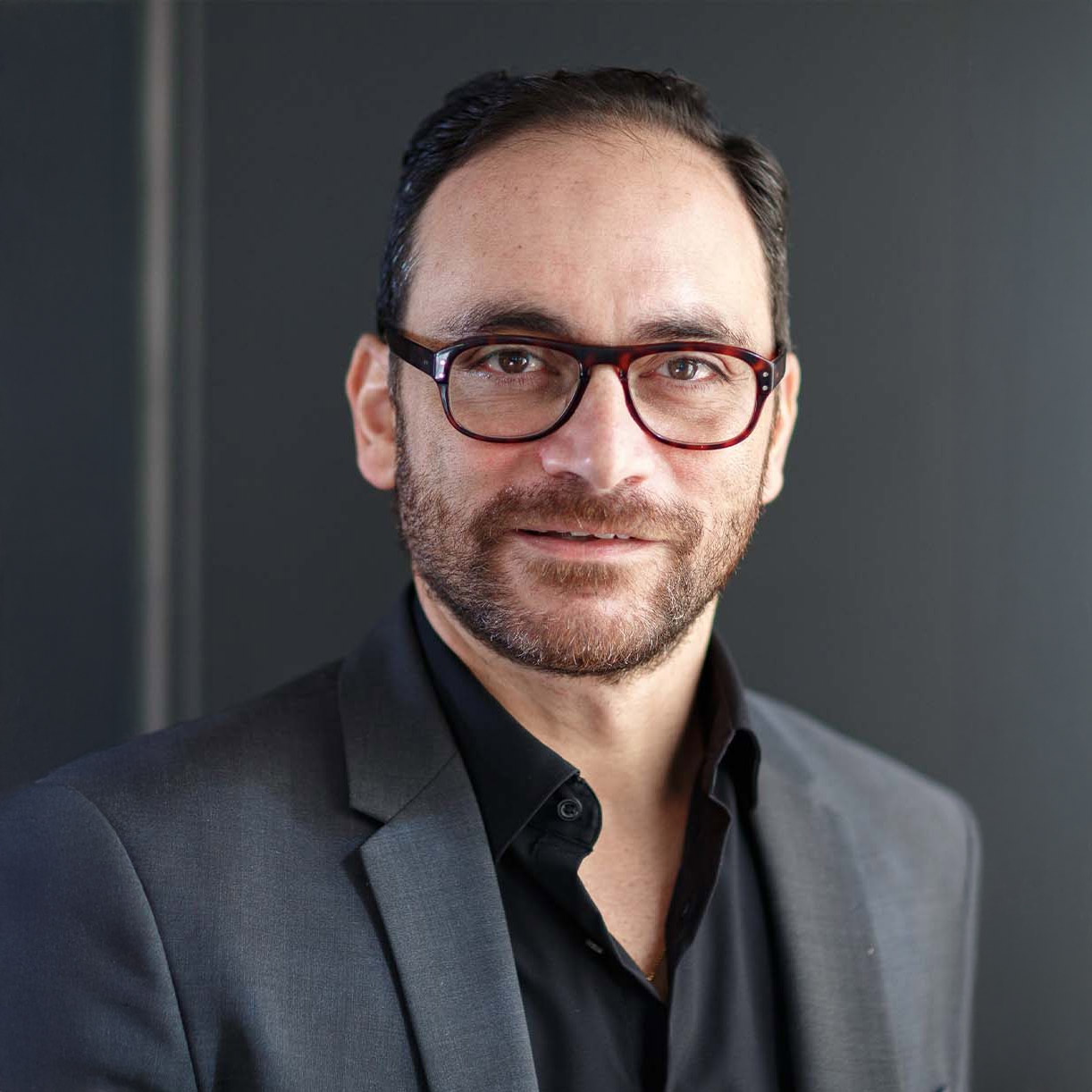
Under the direction of Dr. Nicolas Zwillinger, a renowned plastic surgeon specializing in lipedema, the clinic offers a comprehensive, personalized, and structured treatment program. Patients are supported from the initial diagnostic evaluation through to post-operative follow-up, with a clear and reassuring protocol tailored to the severity of their condition.


Our team takes pride in offering:

  • a warm welcome,

  • a detailed understanding of the symptoms,

  • a justified and individualized technical choice,

  • close monitoring after surgery.

Our sources:

  • Klein JA. The Tumescent Technique for Liposuction Surgery (origin of the tumescent technique). Liposuction 101

  • Review and summary of tumescent liposuction and its history. PMC

  • Human Med — Body-Jet / WAL (technical presentation and advantages). Human Med AG+1

  • Stutz JJ et al. — histological/immunohistochemical studies on WAL and lymphatic preservation (and other series on WAL for lipedema). physiopod.co.uk+1

  • Witte T. Water-jet-assisted liposuction for the treatment of lipedema (series and standardized protocol). PubMed

  • PlasticsurgeryKey / publications on the evolution of ultrasound and VASER; Sound Surgical (VASER manufacturer). eMedicine Medscape+1

Facebook
LinkedIn
WhatsApp

Leave a comment

Your email address will not be published. Required fields are marked with *