
Everything you need to know
s about liposuction in 2024
Liposuction, a well-established procedure in the field of cosmetic surgery, remains one of the most popular procedures for reshaping the body and removing localized excess fat.
In 2024, its appeal continues, fueled by constant technological advances and ongoing research into improvements in patient outcomes and safety.
This procedure is constantly evolving to meet the changing needs of individuals seeking solutions to improve their physical appearance.
In this article, we will delve into the world of liposuction in 2024, exploring its most recent and relevant aspects.From how liposuction techniques have advanced to how risks are managed, we will provide a comprehensive overview of what you need to know about this procedure today.
What is liposuction?
Liposuction, also known as liposuction or liposculpture, is a surgical procedure designed to remove localized fat deposits in certain areas of the body. This procedure is designed to reshape the body by suctioning out excess fat, which can be difficult to lose through conventional means such as exercise and a balanced diet.
Essentially, liposuction works by inserting thin cannulas through small incisions in the skin, allowing the surgeon to gently suction out unwanted fat cells. These cannulas are usually connected to a vacuum suction system, which facilitates the effective removal of fatty tissue.
It is important to note that liposuction is not a substitute for weight loss and is not suitable for everyone. Rather, it is intended for those who have localized pockets of fat that are resistant to diet and exercise. In fact, liposuction is often used to sculpt specific areas of the body such as the abdomen, hips, thighs, arms, chin, and back.
By choosing liposuction, individuals seek to achieve a more harmonious and proportionate figure. This can help boost self-confidence and improve overall well-being.
However, it is crucial to understand that liposuction is not a miracle solution and requires a commitment to a healthy lifestyle in order to maintain long-term results.
Technological advances in 2024
By 2024, liposuction has benefited from remarkable technological advances that have significantly improved the effectiveness and safety of this procedure. Among the most notable advances are the use of laser-assisted, ultrasound-assisted, and radiofrequency-assisted liposuction techniques, which have revolutionized the way surgeons approach this procedure.
Laser-assisted liposuction, also known as laser liposuction or laser lipolysis, uses light energy to liquefy fat cells before they are suctioned out.
This method allows for gentler and more precise fat removal, reducing damage to surrounding tissue and minimizing post-operative bruising and swelling. In addition, the laser also promotes collagen production, which can improve skin quality in the treated area.
Ultrasound has also become a common technology in liposuction in 2024.
Ultrasound-assisted liposuction uses high-frequency sound waves to emulsify fat cells, making them easier to suction out. This method is particularly effective for treating harder, more fibrous areas of fat, offering more uniform results and faster recovery.
Finally, radiofrequency-assisted liposuction is another technological advance that is gaining popularity in 2024. This technique uses radiofrequency waves to heat and liquefy fat cells, making them easier to remove while stimulating collagen production for firmer, more toned skin.
These technological advances in 2024 have significantly expanded the options available to patients interested in liposuction. By offering more precise, less invasive, and more effective methods, these techniques allow surgeons to achieve more predictable results while reducing risks and recovery time for patients.
However, it is important to note that not all of these technologies are suitable for every case, and the choice of liposuction method must be determined by the surgeon based on the individual needs of the patient.
Procedure
Liposuction, although considered a relatively simple surgical procedure, requires careful planning and precise execution to ensure optimal results and patient safety.
Here is a detailed overview of the typical procedure in 2024:
- Preliminary consultation: Beforeany procedure, the patient undergoes a thorough consultation with a qualified plastic surgeon. During this consultation, the surgeon discusses the patient's aesthetic goals, examines their overall health, evaluates the areas to be treated, and explains the liposuction process in detail. This is also an opportunity for the patient to ask questions, discuss expectations, and clarify any concerns about the procedure.
- Surgical planning: Based ondiscussions during the initial consultation, the surgeon develops a personalized surgical plan to meet the patient's specific needs. This includes determining the areas to be treated, the amount of fat to be removed, and the most appropriate liposuction technique to use.
- Preparation before the procedure: On theday of liposuction, the patient arrives at the clinic and is prepared for the procedure. This usually involves marking the areas to be treated on the skin, taking reference photographs to document the results, and administering anesthesia according to the pre-established plan.
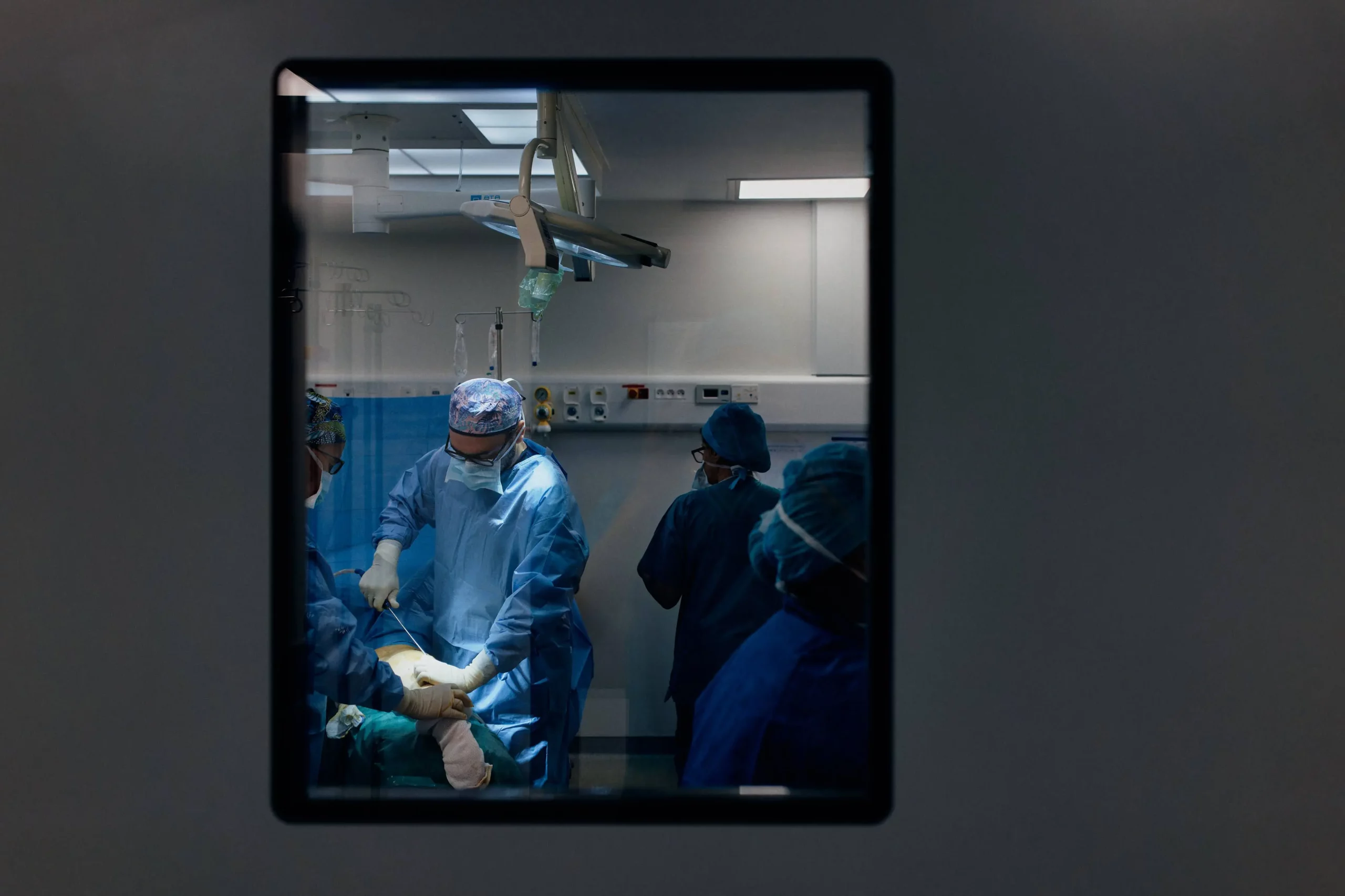
- Incisions and fat suction: Oncethe patient is under anesthesia, the surgeon makes small, discreet incisions in the targeted areas. Thin cannulas are inserted through these incisions to gently suction out excess fat. Depending on the technique used, the fat may be emulsified beforehand using laser, ultrasound, or radiofrequency-assisted techniques to facilitate its extraction.
- Sculpting and shaping: Duringthe fat removal phase, the surgeon uses precise movements to sculpt and shape the contours of the body, creating a more harmonious and balanced silhouette. This step requires both technical and artistic expertise to achieve aesthetically pleasing results.
- Postoperative monitoring: Afterthe procedure, the patient is closely monitored during an initial recovery period at the clinic. Detailed instructions are provided for postoperative care, including pain management and activities to avoid during the recovery period.
In summary, liposuction procedures in 2024 will rely on a combination of surgical expertise, advanced technologies, and personalized care to ensure optimal results and a safe experience for patients.
Close collaboration between the patient and the surgeon is essential at every stage of the process to ensure that expectations are aligned and the desired results are achieved.
Risks and complications
Although liposuction is generally considered a safe procedure, it does carry risks and potential complications, as with any surgical procedure. It is essential that patients are informed of these risks before deciding to undergo liposuction.
Among the most common risks are bleeding and bruising, which are usually temporary but may sometimes require additional treatment. Infections are also a concern, although rarely serious, and can be prevented by carefully following the post-operative instructions provided by the surgeon.
Contour asymmetry may also occur, although experienced plastic surgeons take steps to minimize this risk by carefully assessing the symmetry of the patient's body prior to the procedure. In addition, adverse reactions to anesthesia may occur, although this is rare and usually managed by the surgical team.
In summary, although liposuction can offer remarkable results in terms of body contouring, it is essential that patients understand the risks associated with this surgical procedure. By working closely with a qualified plastic surgeon and carefully following post-operative instructions, patients can reduce risks and maximize the chances of achieving safe and satisfactory results.
Recovery and results
The recovery period after liposuction varies from person to person depending on several factors, including the extent of the procedure, the surgical techniques used, and each patient's individual healing capacity. However, thanks to technological advances and improved surgical techniques in 2024, many patients are enjoying a faster and more comfortable recovery than before.
Immediately after the procedure, it is normal to experience some pain, bruising, and swelling in the treated area. The surgeon will usually prescribe painkillers and anti-inflammatory drugs to alleviate discomfort and reduce swelling. It is recommended that you wear special compression garments to help maintain body shape and reduce swelling during the recovery period.
In the first few days following liposuction, patients are encouraged to rest and avoid strenuous physical activity. However, light walking is often recommended to promote blood circulation and prevent blood clots. Normal activities can usually be resumed gradually after a few days to a week, although restrictions may apply depending on the extent of the procedure and the surgeon's recommendation.
The final results of liposuction are not usually immediately visible due to post-operative swelling.
However, as the swelling subsides in the weeks following the procedure, the contours of the body begin to become more apparent. It is important to note that the results of liposuction can continue to improve for up to six months to a year after the procedure, once the body has had time to heal completely.
Patients can expect a more harmonious and toned figure after successful liposuction. However, it is essential to maintain a healthy lifestyle that includes a balanced diet and regular exercise to maintain long-term results.
By following their surgeon's post-operative recommendations and adopting healthy lifestyle habits, patients can fully enjoy the benefits of their new figure.
Things to remember...
In 2024, liposuction remains an attractive option for those seeking to reshape their figure and eliminate stubborn fat deposits. Thanks to technological advances, this procedure offers more precise results and faster recovery, while minimizing potential risks.
However, it is essential to recognize that liposuction remains a surgical procedure that carries risks, even if they are generally low with a qualified surgeon.
Before undergoing liposuction, it is crucial for patients to discuss their expectations, treatment options, and potential risks in depth with their surgeon. By engaging in an informed decision-making process and choosing an experienced practitioner, patients can expect satisfactory results and a significant improvement in their figure.