Outpatient medicine
Outpatient medicine: Lipedema surgery can be performed without spending the night in the clinic...
Outpatient medicine Read more »


Outpatient medicine: Lipedema surgery can be performed without spending the night in the clinic...
Outpatient medicine Read more »

In this article, we guide you in understanding when is the most appropriate time to consider surgery.
When should I have lipedema surgery? Read more »
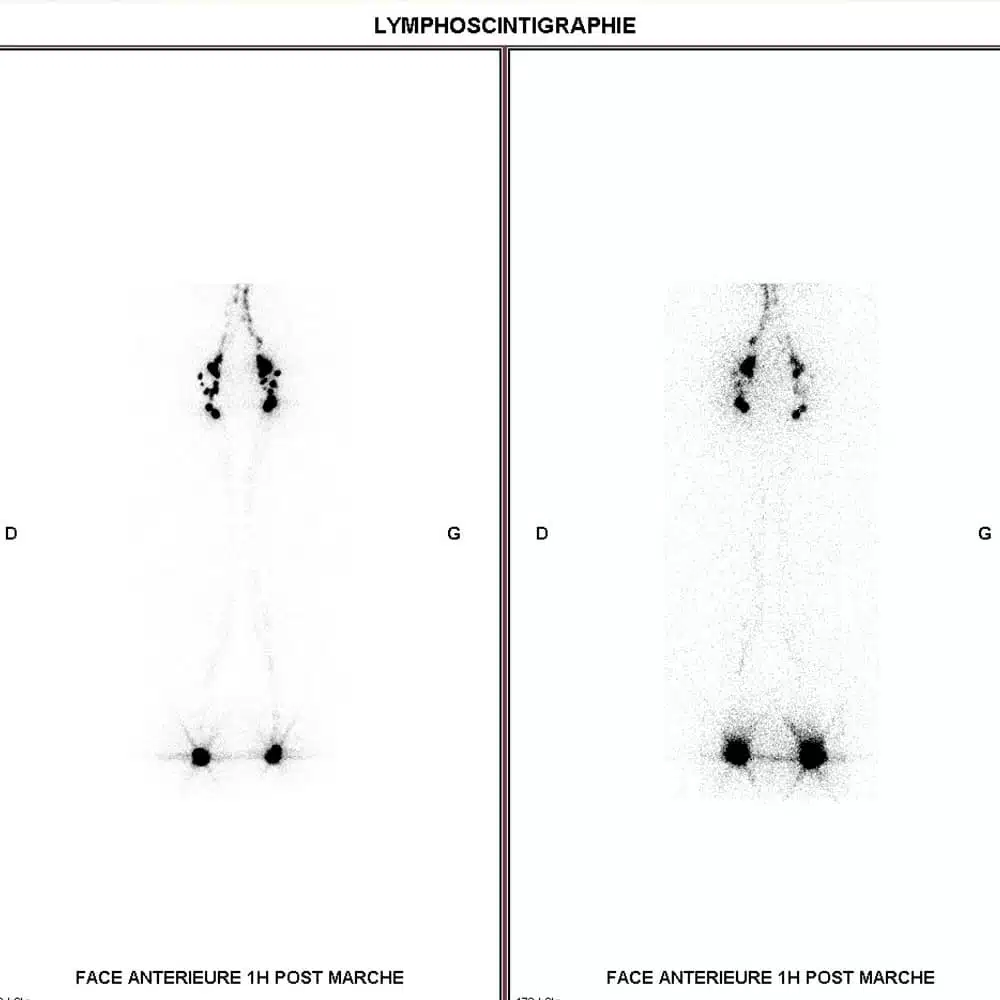
Why perform a lymphoscintigraphy of the lower limbs in cases of lipedema? How is this examination performed?
What happens during a lymphoscintigraphy of the lower limbs? Read more »

Dr. Zwillinger, a leading French specialist in lipedema,
reveals his background and the reasons that led him to take an interest in this still little-known disease.
Interview with Dr. Nicolas Zwillinger Read more »
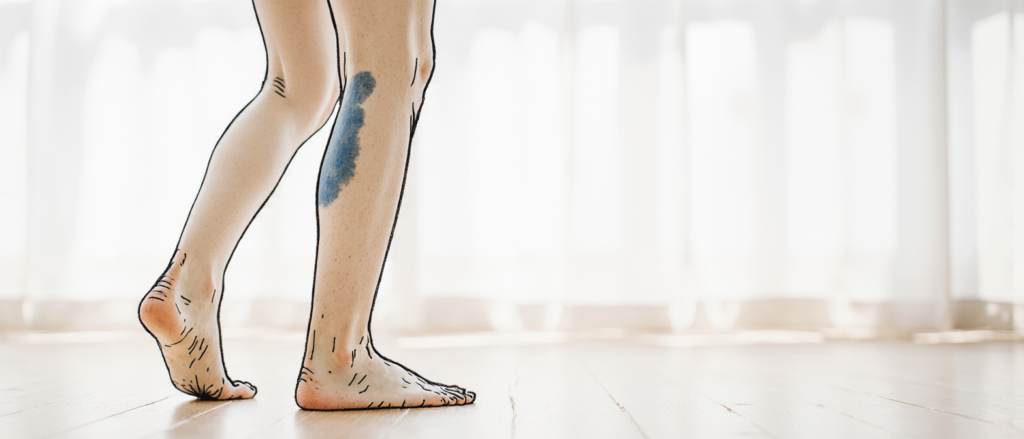
What are the causes and effects of this fragility? What lifestyle choices should be adopted to combat this vascular fragility?
How can vascular fragility be combated? Read more »
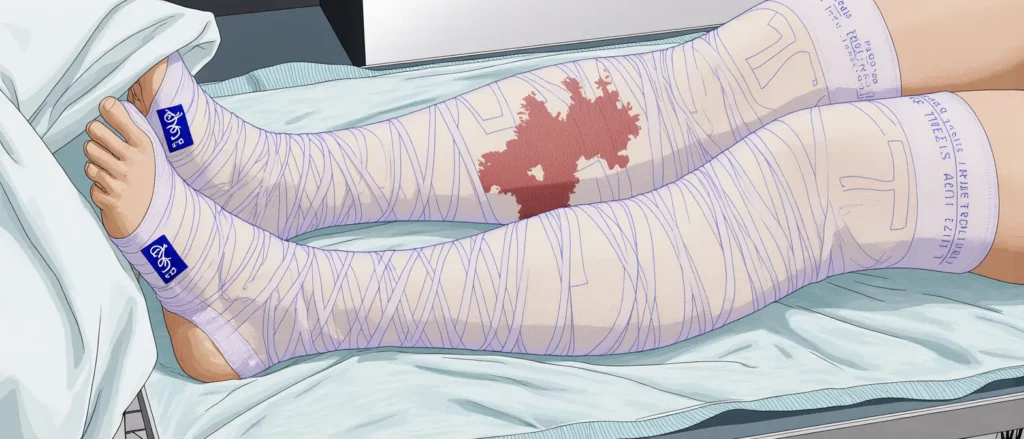
How to manage discharge after surgery? Post-operative discharge is common. It can last between 3 and 5 days depending on the number of incisions made. Where does it come from? How should you manage this discharge on a daily basis once you return home? Our advice Why is there discharge after the operation? Lipedema surgery requires small incisions to be made in order to insert the liposuction cannulas. At the end of the operation, Dr. Nicolas Zwillinger does not close these incisions. This allows for better wound healing. The serous fluid present in the body will drain from these small incisions. The infiltration fluid, a mixture of saline solution, anesthetic liquid, and blood, may drain for about four days after the operation. How often should you change your dressings? The discharge is continuous or intermittent but relatively small in quantity. It is mainly serous-hematic or even just serous discharge. On the first evening and the day after the operation, the discharge may contain more blood, but overall, it will stop on its own after three or four days. You should change your dressings as soon as you notice that they are stained with significant discharge, and only in this case. You should therefore change the dressings two to three times a day at most, and perhaps not all of the dressings each time. It is very important to clean your legs thoroughly each time you change the dressings. How to change the dressings? The incisions are protected by dry sterile compresses covered with adhesive dressings. These dressings are held in place by the adhesive bandages and compression bandages. The dressings must be changed as soon as they become stained or dirty. Simply replace them with new sterile dry compresses and secure them with adhesive dressings. You do not need to wash your legs every time you change the dressing. However, you must clean the area thoroughly with a disinfectant or saline solution. Dry thoroughly before replacing the compresses and adhesive bandages. Once the dressing is in place, remember to put the stockings and compression bandages back on. You can shower with your legs bare by removing all the dressings. Once you are thoroughly washed and dried, you can reapply the dressings yourself if you feel able to do so, or ask a home care nurse to help you. In this case, you will need to contact a nurse (online, list available at your local pharmacy) before the operation to arrange for them to visit your home regularly to provide care. Please note: to avoid staining mattresses, car seats, or train seats, use a mattress protector. Facebook LinkedIn WhatsApp
How to properly manage discharge after surgery? Read more »
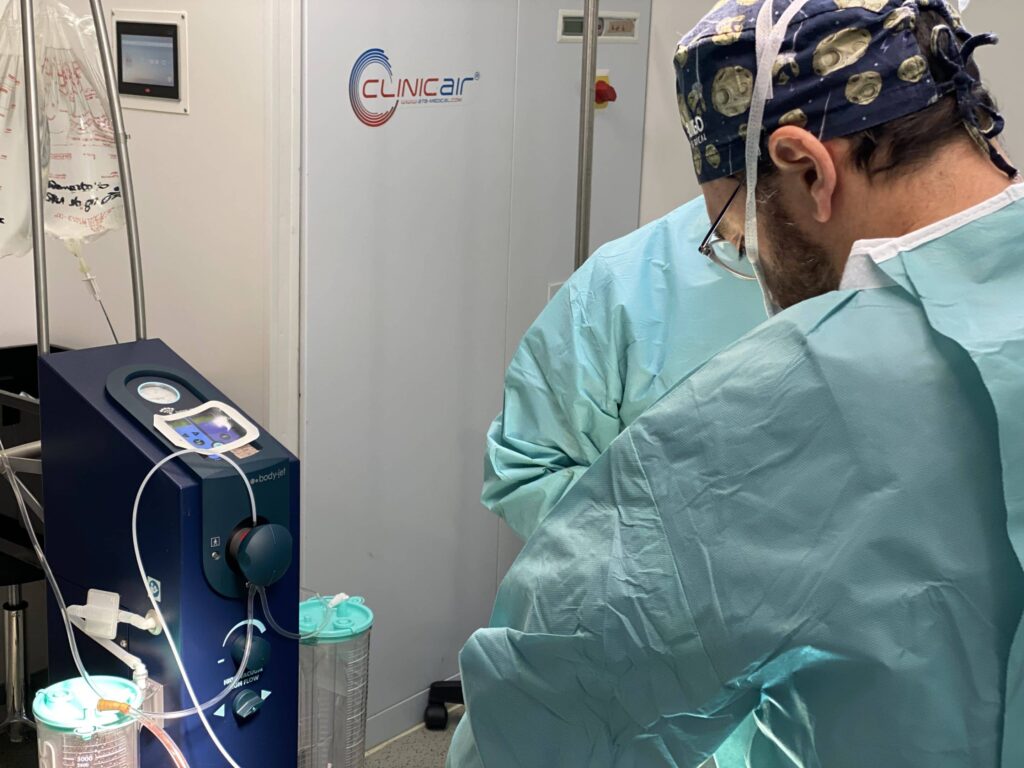
Hydrojet-assisted liposuction (W.A.L.) removes fat using a flat, fan-shaped water jet, requiring much less force and significantly reducing the risk of side effects.
How does W.A.L. liposuction work? Read more »

After their procedure, our patients sometimes leave a short note in our guestbook, which is located at the front desk.
Guestbook: Patient Testimonials Read more »

Testimonial: Our Algerian patient shares her experience of WAL liposuction to treat her stage 2 lipedema.
Testimonial from an Algerian patient Read more »

Testimonial from Chloé, one of our patients who kindly agreed to talk about her surgery and share her experience with lipedema.
Testimonial from Chloé, one of our patients Read more »