
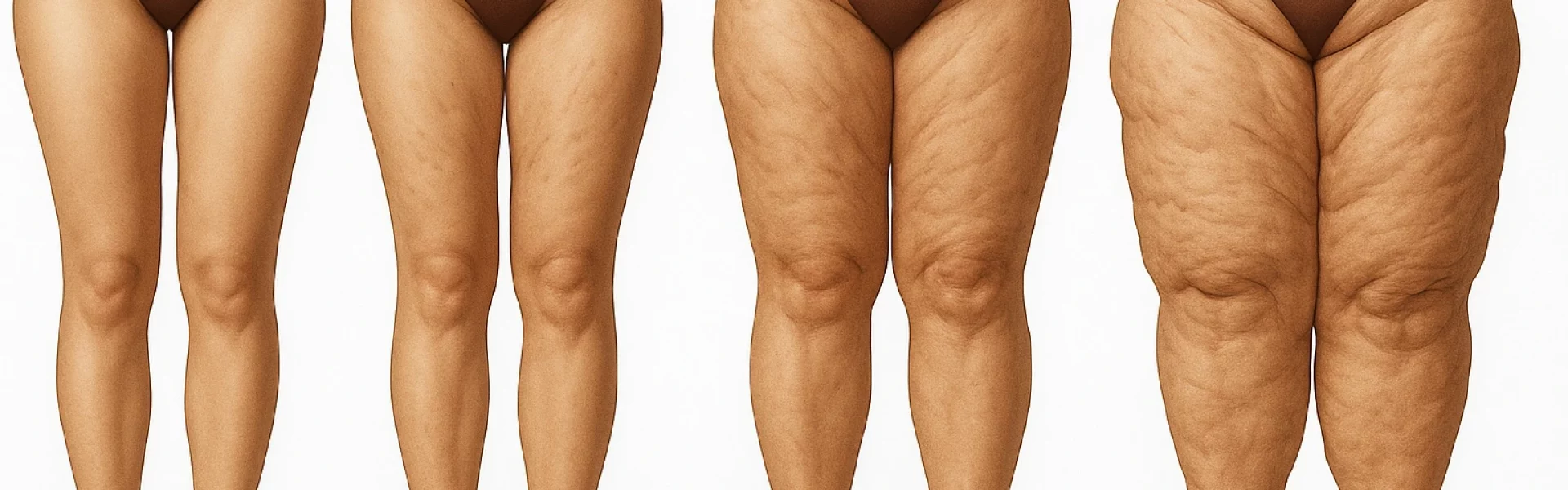
Lipedema: 5 Signs to Recognize This Little-Known Disease
Lipedema is a chronic condition that is often confused with cellulite or obesity.
However, this condition, which mainly affects women, has distinct symptoms and progression, although it remains underdiagnosed.
Recognizing the early signs of lipedema is essential for obtaining an early diagnosis and adapting treatments. Here are the five main signs for identifying this little-known condition.
1. Persistent pain and sensitivity to touch
The first distinctive sign of lipedema isunusual pain when touched, even with light pressure.
Unlike cellulite or simple fat accumulation, tissue affected by lipedema is often extremely sensitive, making even touching the skin uncomfortable or painful.
Why the pain?
The pain associated with lipedema is caused by chronic inflammation of the fatty tissue.
Recent research shows that this inflammation may be caused by abnormal proliferation of fat cells, which put pressure on the nerves. The tissue then becomes harder and more painful, especially after a long period of inactivity.
Indications for diagnosis
If you experience significant pain when touching your legs or arms, or if your limbs are sensitive after minor impacts, this could be a sign of lipedema.
Consulting a healthcare professional will help you confirm or rule out this possibility.
2. Appearance of asymmetrical swelling in the lower and upper limbs
One of the most visible signs of lipedema isabnormal, symmetrical swellingof the legs, hips, and arms, while the upper body remains slimmer.
This asymmetry between the lower limbs and the rest of the body is often mistaken for general weight gain, although it is not related to diet or exercise.
Characteristics of swelling
The swelling associated with lipedema is firm and often accompanied by a grainy appearance.
sometimes compared to that of orange peel.
Unlike other types of edema, the swelling does not decrease with rest or elevation of the legs.
Differentiating lipedema from cellulite
Cellulite appears in localized areas, often on the thighs and buttocks, without causing significant pain when touched.
Lipedema, on the other hand, generally affects the entire length of the legs and can extend to the arms, making the limbs disproportionate.
3. Constant heaviness in the legs and arms
Patients with lipedema often report afeeling of heavinessin their lower limbs, which is particularly intense upon waking.
This heaviness is linked to water retention and inflammation of fatty tissue, which prevent proper blood and lymphatic circulation.
Daily symptoms
Heavy legs are particularly bothersome in everyday life, especially after a day spent standing or doing physical work.
Patients sometimes describe a feeling of "lead legs," accompanied by progressive swelling at the end of the day.
Tips to relieve this heaviness
To alleviate this sensation, manual lymphatic drainage sessions can be beneficial, as well as wearing appropriate compression stockings.
However, it is recommended that you consult a lipedema specialist to tailor treatments to your situation.
4. Spontaneous bruises and contusions
People with lipedema often noticefrequent bruisingfor no apparent reason.
Capillary fragility and poor circulation are responsible for these marks, which appear even in the absence of any significant impact.
Understanding vascular fragility
Lipedema weakens blood vessels due to chronic inflammation and the proliferation of fat cells.
These cells exert pressure on small blood vessels, causing them to rupture. As a result, bruises and marks appear spontaneously, even when coming into contact with objects that are not particularly aggressive, such as tight clothing.
Indications for medical care
If you notice frequent bruising on your legs or arms without any clear reason, this could indicate vascular fragility due to lipedema.
A medical evaluation can determine whether treatments to strengthen capillaries and improve circulation are necessary.
5. Resistance to weight loss despite efforts
A particularly frustrating sign for patients is "resistance to weight loss" in the affected areas.
despite a balanced diet and regular exercise.
Members affected by lipedema retain their volume, even when the rest of the body loses weight, because lipedema fat is distinct from normal fat.
Why is lipedema resistant to diets?
Fat cells associated with lipedema behave differently from other types of fat.
They do not respond optimally to calorie restriction and physical exercise because they are influenced by hormonal and genetic factors.
Treatment options
Patients may consider treatments such as water-assisted liposuction (WAL) to remove stubborn fat, but medical supervision is essential to ensure that the procedure is appropriate for their situation.
Lipedema is a condition that remains little known and underdiagnosed, but awareness of its symptoms can make all the difference in terms of early treatment.
If you or someone you know is experiencing any of these signs, do not hesitate to consult a healthcare professional.
The sooner it is detected, the better the chances of slowing down the progression of lipedema and improving patients' quality of life.