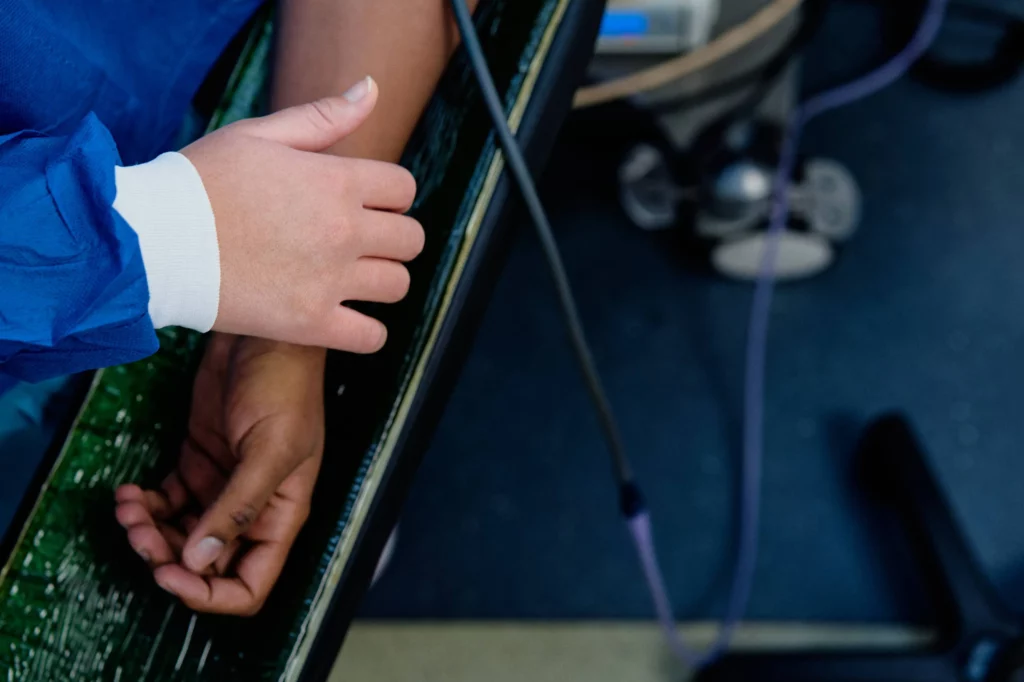
Medical and surgical care
We will explore in detail the five pillars of our approach to your care.
Medical and surgical care Read more »

We will explore in detail the five pillars of our approach to your care.
Medical and surgical care Read more »
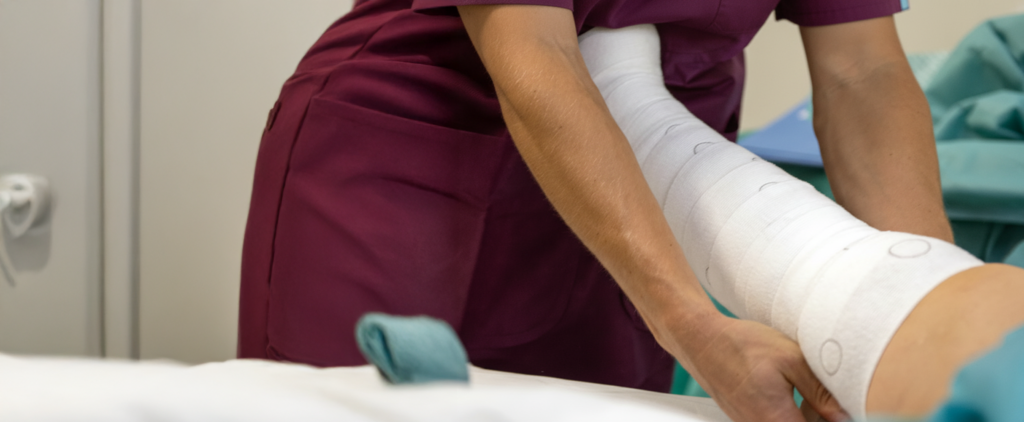
These swellings can take time to disappear and sometimes cause stress for these women.
5 tips for better managing post-operative edema Read more »

60% of patients who have undergone lipedema surgery live more than two hours away from Paris. Here are our tips for an easier return home.
Lipedema surgery: 3 tips for successful planning! Read more »
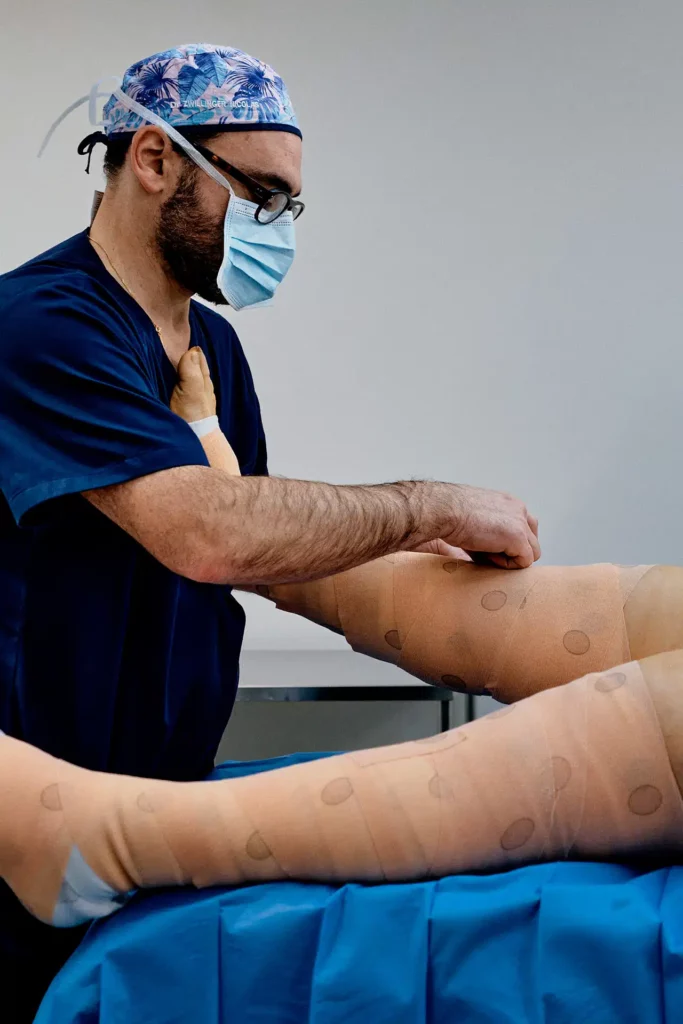
Our three strengths: Dr. Nicolas Zwillinger, the technique used, and the support provided to patients throughout the entire process.
The 3 strengths of the French Lipedema Clinic Read more »
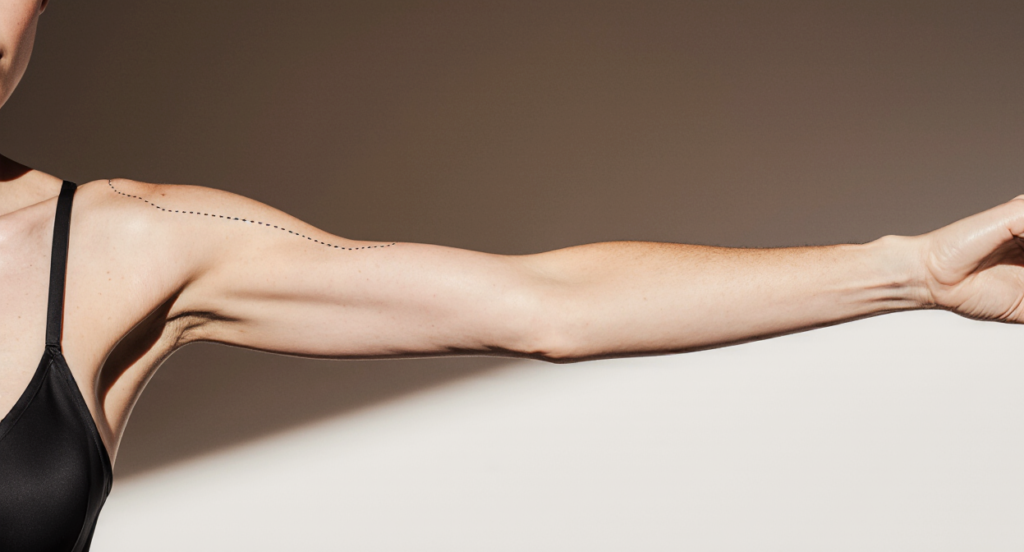
Localized sagging skin on the arms and/or thighs is noticeable, and liposuction may be sufficient or combined with a lift...
Thigh or arm lift with WAL liposuction Read more »
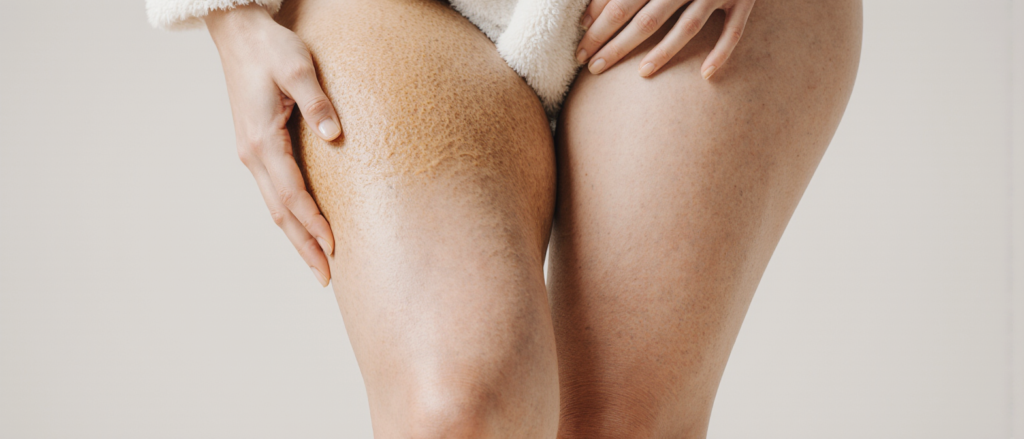
Liposuction is a surgical procedure that uses a suction device to remove excess body fat.
How much fat will liposuction remove? Read more »
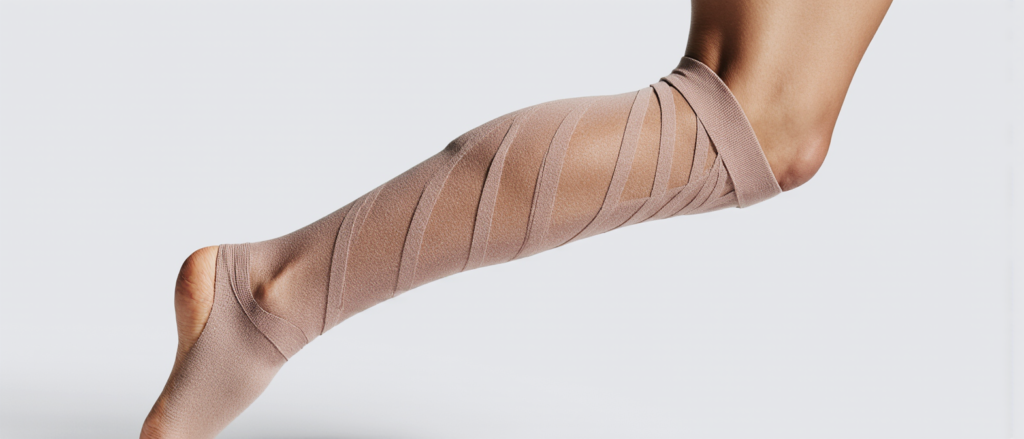
Lipedema: post-operative compression? Upper knee area, thighs, saddlebags, as well as the lower area, i.e., calves, ankles, etc.
Lipedema: Postoperative compression Read more »

As part of the surgical treatment of your lipedema using WAL liposuction, at least four medical appointments are necessary.
How many medical appointments are required before lipedema surgery? Read more »

Post-WAL liposuction fatigue: what you need to know Following WAL liposuction treatment for lipedema, patients will experience fatigue. The severity of this fatigue can vary depending on a number of factors. WAL liposuction Things to consider before the procedure First of all, it will depend on your physical condition before the procedure. If you are feeling tired or are just recovering from a winter illness, for example, you may find it more difficult to recover from the procedure. You will need to have a preoperative blood test to check for anemia. If anemia is detected, an increase in the dosage of iron supplements may be recommended, and in some cases, the procedure may even be postponed. Factors related to the procedure The volume of fat removed will also influence fatigue; the greater the volume, the greater the post-operative fatigue. Dr. Nicolas Zwillinger divides lipedema treatment into two or three procedures depending on the stage of lipedema diagnosed, the areas affected, and the volume to be removed. An overly extensive operation could lead to significant and prolonged asthenia, and is therefore strongly discouraged. Anesthesia can have an impact on your post-operative fatigue. It has been found that general anesthesia causes significant feelings of fatigue during the first week, unlike spinal anesthesia, which has less of an impact on recovery. We recommend a minimum interval of three months between two operations to allow the body to recover and avoid physical and psychological fatigue after the second procedure. In the event of severe fatigue following the first procedure, it is advisable to perform the second stage (WAL liposuction of the knees, thighs, and saddlebags) four to six months after the first procedure. The post-operative rest period may vary depending on the areas operated on. We estimate a recovery period of 2 to 3 weeks for surgery on the ankles/calves and lower knees, and 10 days to 2 weeks for the thighs and upper knees or arms. These durations are given as a guide and may vary from one patient to another. The more advanced the lipedema, the longer the recovery is likely to take. Factors influencing fatigue following surgery It is essential to eat and drink well after the procedure to allow the body to recover properly. Post-operative iron treatment is also an essential part of the recovery process. Returning to work after WAL liposuction surgery will depend on the type of job you do. The possibility of teleworking makes it possible to return to work more quickly, but it is important not to underestimate the fatigue caused by the procedure and anesthesia, as well as the difficulty of maintaining the same position (sitting or standing) for long periods of time during the first few days. It is important to take breaks and vary your position in order to reduce feelings of heaviness and promote blood and lymphatic circulation. The commute to and from work should be taken into account, as journeys of more than 30 minutes on public transport or in a seated position may not always be possible, which can make returning to work more complicated. Similarly, for some patients, post-operative edema can make driving difficult. To facilitate recovery, it is necessary to have good support and assistance as soon as you return home (on the day of or the day after your surgery). In fact, during the first few days, your walking pace will be significantly slowed, stairs will be difficult to climb or descend, and everyday tasks will be difficult to perform (shopping, children, housework, etc.). We recommend that you do not be alone for at least 48 hours, but ideally for 7 days. In this article, we have outlined the various factors to consider regarding post-operative fatigue following WAL liposuction surgery. Facebook LinkedIn WhatsApp
Post-WAL liposuction fatigue: things you need to know Read more »

Lipedema: 10 tips for a successful recovery. To return to a "normal" life with the condition...
10 tips for a successful recovery Read more »