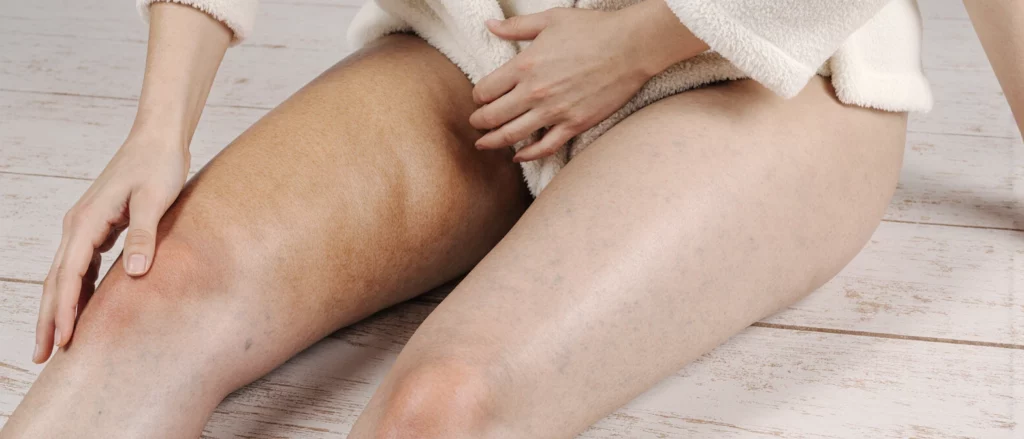
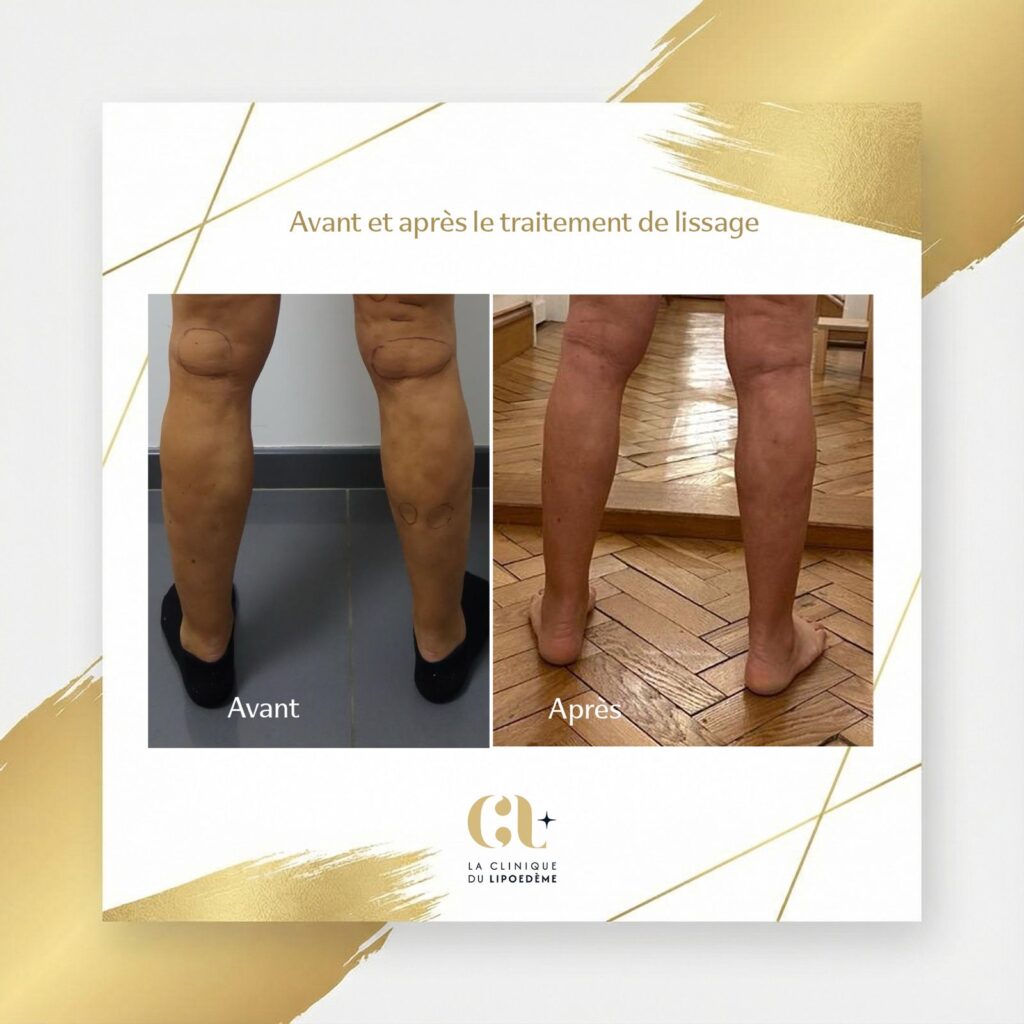
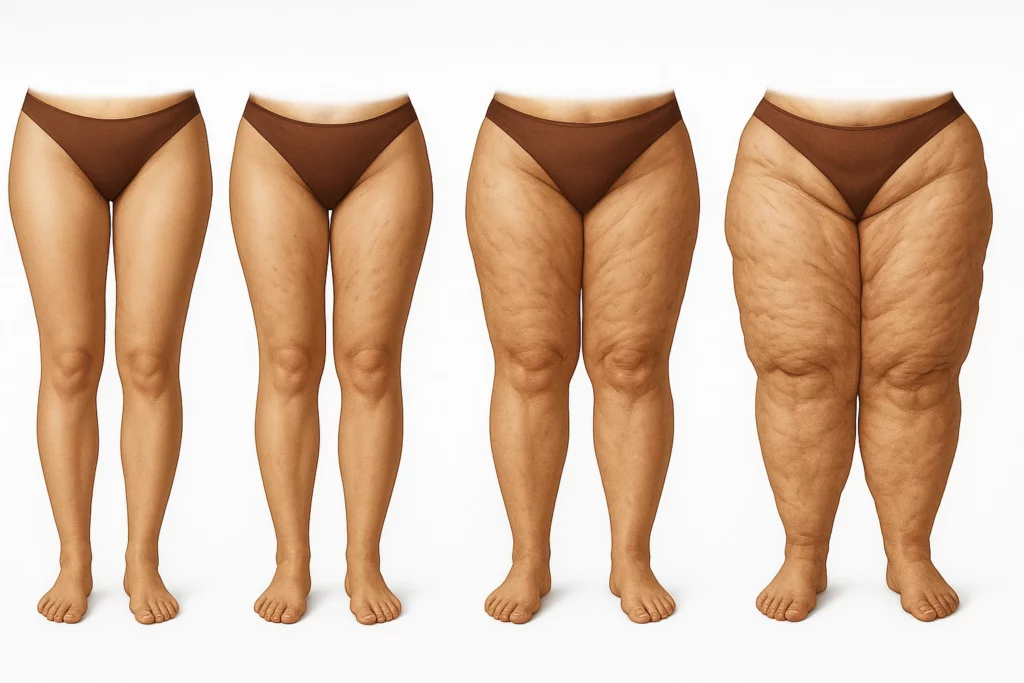
Lipedema: What Should You Know About Skin Irregularities After Surgery? Lipedema surgery represents a major breakthrough in improving patients’ pain, mobility, and quality of life. However, in the months following the procedure, certain skin or tissue irregularities may appear. These changes are common, well-known, and, in the vast majority of cases, temporary and treatable. Treatment Why do irregularities occur after lipedema surgery? Lipedema is a chronic condition that profoundly alters the quality of the skin and subcutaneous tissues. Unlike traditional cosmetic liposuction, the tissues are often: • more fragile • inflamed • fibrous • less elastic After lipedema surgery, it is therefore common to observe: • localized depressions • firmer areas • small areas of fibrosis • a textured or uneven skin appearance These phenomena are related to the natural reaction of the tissues and are not specific to any particular surgeon, nor are they a sign of treatment failure. Are these irregularities permanent? In the vast majority of cases, no. The irregularities observed after lipedema surgery are most often temporary and improve over time, provided there is appropriate medical follow-up. Healing of tissues affected by lipedema is slower and sometimes takes several months to stabilize. The good news: these irregularities are fully correctable in most cases. What solutions are available to correct irregularities after lipedema surgery? When certain areas remain irregular after the healing phase, targeted additional procedures may be recommended. These include: • Localized smoothing • Precise and limited corrections • Short procedures performed on specific areas These adjustments allow for: • Harmonizing volume • Improving skin texture • Achieving a natural and balanced result The tissues generally respond very well to these corrections when performed in a specialized setting by practitioners with a thorough understanding of lipedema. The Importance of Follow-Up After Lipedema Surgery Each patient with lipedema progresses differently. The appearance of the tissues, the speed of recovery, and the skin’s reaction vary from person to person. That is why: • Regular follow-up is essential • Specialized monitoring remains the only way to assess actual progress • Decisions are always made on a case-by-case basis A personalized assessment helps determine whether natural progression is occurring or if targeted correction is appropriate. Lipedema surgery: a functional and harmonious goal The goal of lipedema surgery is not limited to aesthetics. It is primarily about: • Reducing pain • Improving mobility • Restoring a feeling of lightness • Rebalancing the silhouette while respecting the specific characteristics of the condition Every procedure is designed with lipedema in mind, not against it, to achieve a lasting, functional, and harmonious result. Key points … Irregularities after lipedema surgery are common and well-known: • They are related to the fragility of the tissues and the nature of the condition • In the vast majority of cases, they are temporary and correctable • Targeted additional smoothing procedures can improve the result • Specialized follow-up is essential for optimal care If you are affected, only a specialized consultation will allow for an accurate assessment of your situation and the solutions best suited to your progress. Facebook LinkedIn WhatsApp